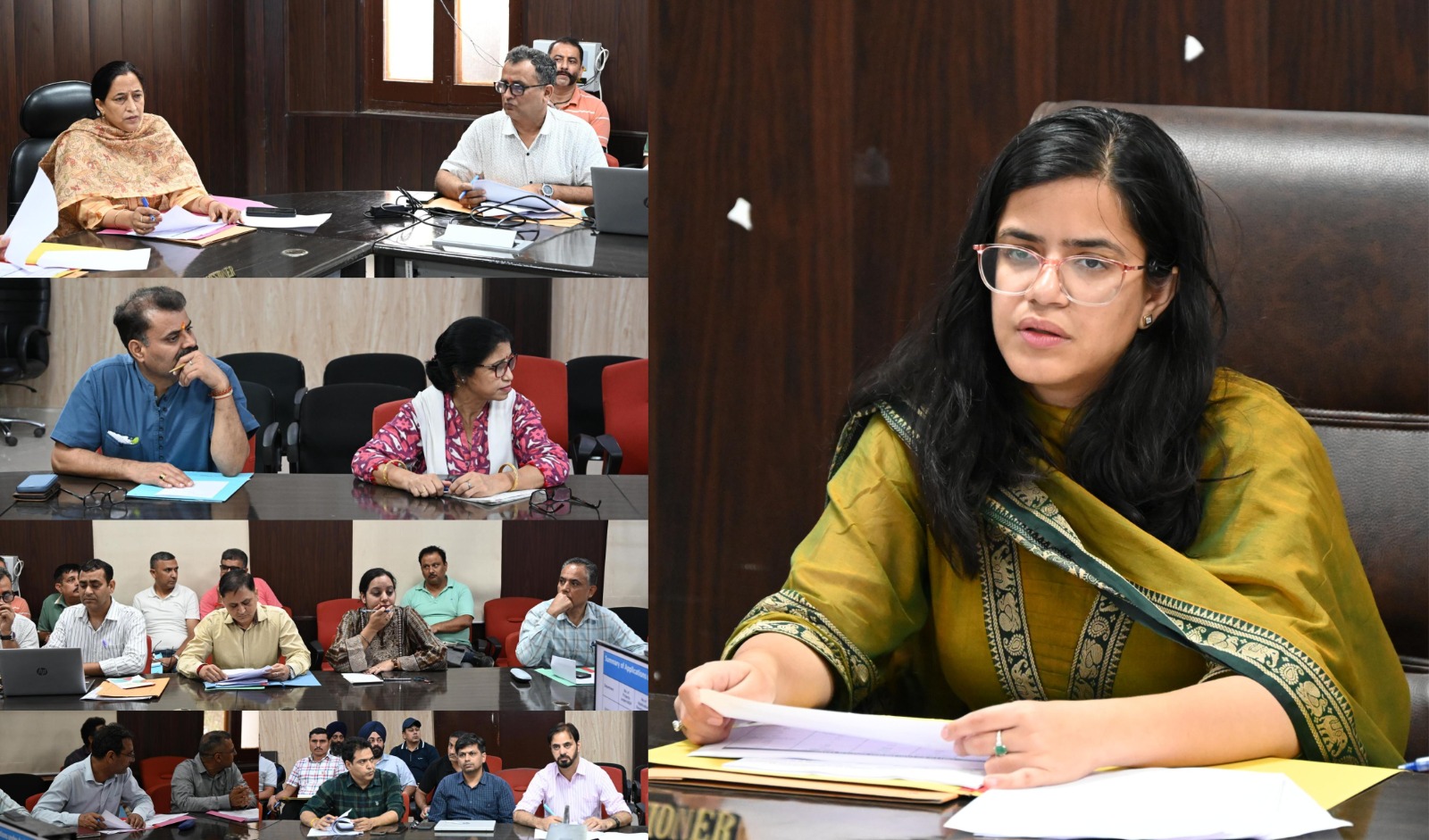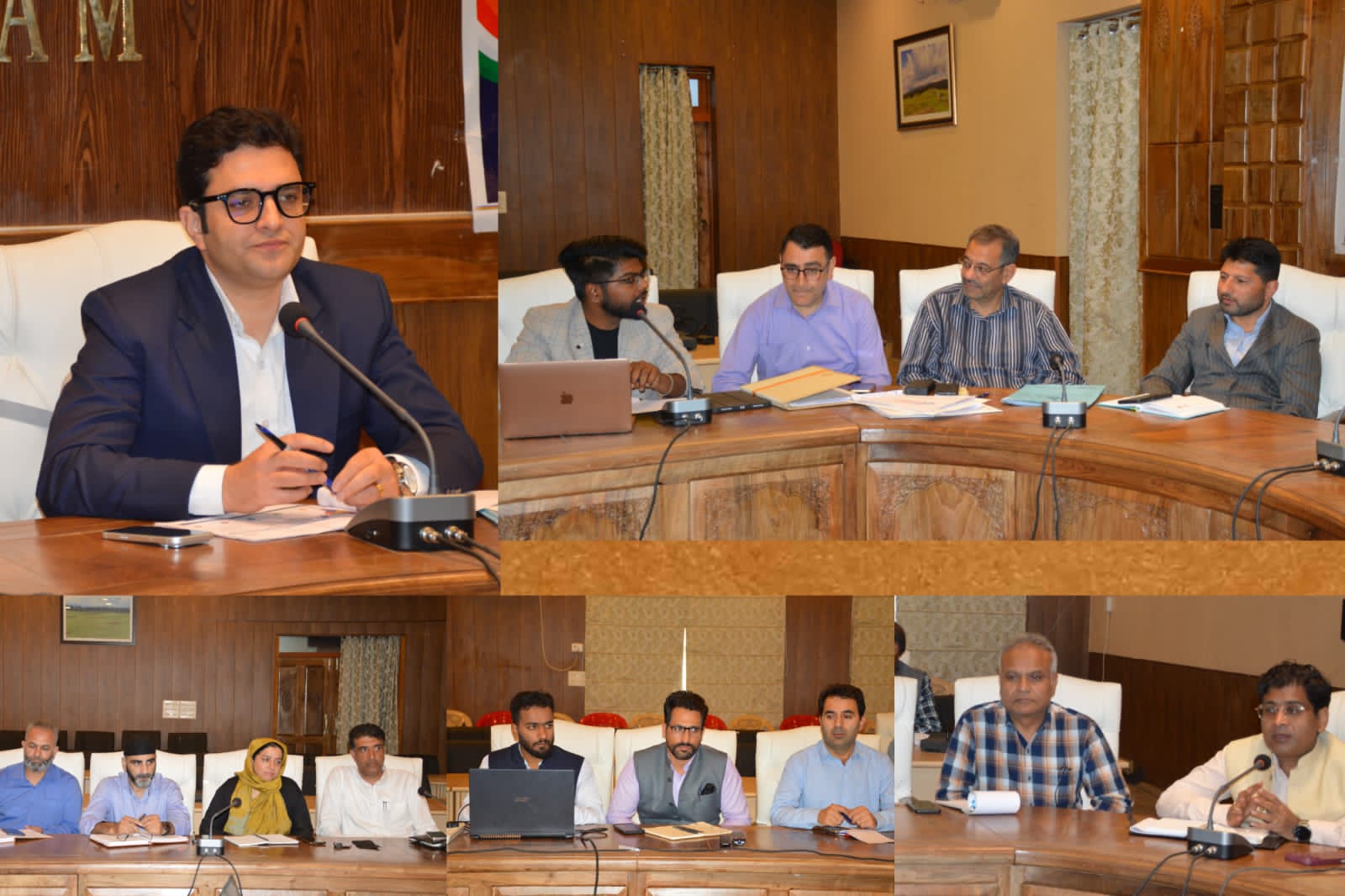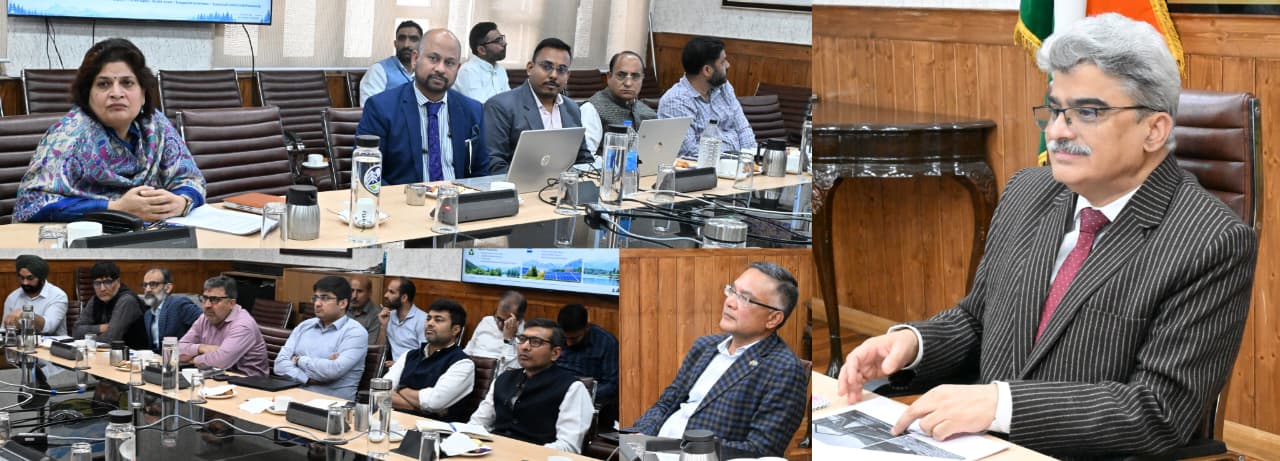
Srinagar, June 19: The Counselling Cell, in collaboration with the Cultural Club of the National Institute of Technology (NIT) Srinagar, successfully organized two Faculty Upgradation Programmes in online mode aimed at strengthening faculty competencies in student mentoring, counselling, mental health, emotional well-being, and emotional intelligence in academic environments.
The inaugural session of the workshops was chaired by In-Charge Director and Dean Research & Consultancy, Prof. Roohie Naaz Mir, who shared her experience and appreciated the efforts of the coordinators in organizing such meaningful and timely programmes.
In his message, Director, NIT Srinagar, Prof. Binod Kumar Kanaujia said such faculty development initiatives are essential for creating a holistic academic environment. He emphasized that in today’s rapidly evolving educational landscape, faculty members must be equipped not only with technical expertise but also with mentoring and emotional support skills to effectively guide students.
Registrar, NIT Srinagar, Prof. Atikur Rahman remarked that mental health and emotional well-being are becoming increasingly important in higher education institutions. He appreciated the Counselling Cell and Cultural Club for organizing such timely programmes that strengthen the institution’s support system for both faculty and students.
The workshops were coordinated by Dr. Neeraj Gupta, Dr. Vijay Kumar, and Dr. Dinesh Kr. Rajendran and Mr. Aamir Bashir, Counsellor, whose dedicated efforts ensured the successful organization and smooth conduct of both programmes.
Dr. Neeraj Gupta, Coordinator, said these workshops were designed to sensitize faculty about the psychological and emotional challenges faced by students and to enhance their capacity to respond with empathy and professionalism.
The first workshop titled “Student Mentoring Skills Workshop / Student Mentoring & Counselling” featured Mr. Wasim Rashid Kakroo, RCI-registered Clinical Psychologist, and Mr. Aamir Bashir, Counsellor, as resource persons.
Mr. Wasim, an accomplished clinical psychologist with extensive experience in psychological assessment, psychotherapy, trauma-focused interventions, and child and adolescent mental health, delivered insightful sessions on the growing mental health challenges faced by university students.
He highlighted issues such as anxiety, depression, stress, burnout, loneliness, homesickness, digital overload, and academic pressure, which increasingly affect student well-being and academic performance.
Faculty members were trained to identify early warning signs of emotional distress, behavioural changes, academic decline, and crisis indicators among students.
The second workshop, titled “Mental Well-Being & Emotional Intelligence for Faculty / Mental Health & Well-Being,” was held on Friday. The session featured Dr. Devendra Singh Basera, Assistant Professor and Consultant Neuro-Psychiatrist at Dr. B. R. Ambedkar Government Medical College, Sirohi, Rajasthan, along with Mr. Aamir Bashir, Counsellor.
Dr. Basera, an eminent psychiatrist and researcher known for his pioneering work in youth mental health, stress management, suicide prevention, and tribal suicide studies in India, delivered a special academic session on “Emotional Intelligence in Academia.”
During the highly interactive session, Dr. Basera highlighted the growing importance of emotional intelligence (EI) in higher education, emphasizing that academic excellence alone is insufficient for effective teaching, leadership, mentorship, teamwork, and professional well-being.
He discussed contemporary scientific evidence showing how emotional intelligence enhances communication, resilience, conflict resolution, decision-making, and collaborative research.
Faculty members engaged in discussions around real-world academic challenges such as publication pressure, grant rejections, imposter syndrome, student engagement, team management, and leadership responsibilities.
Dr. Basera emphasized that while cognitive intelligence (IQ) supports technical expertise and problem-solving, emotional intelligence enables individuals to manage interpersonal relationships, regulate emotions, and build healthy academic ecosystems.
He also shared evidence-based strategies for developing empathy, emotional regulation, psychological safety, and effective team functioning within educational institutions.