Sakeena ali Mir
Budgam, June 23: On the 7th day of Muharram, mourners from Karipora, Patwaw, Gazar Gund and Mahwara gathered and proceeded towards Imam Bargah Budgam, joining a period of remembrance observed across the Shia Muslim world in memory of Imam Hussain (AS).
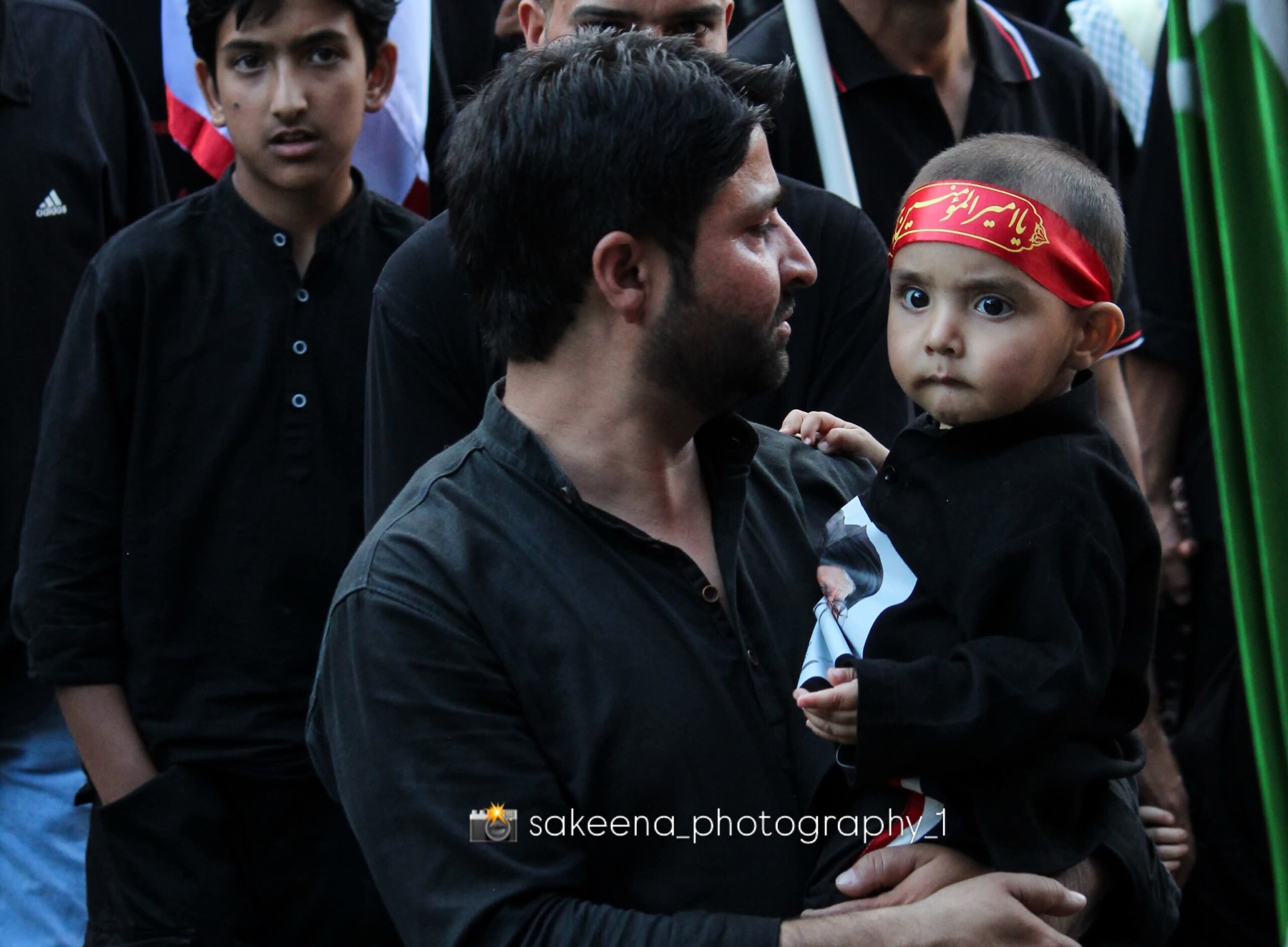
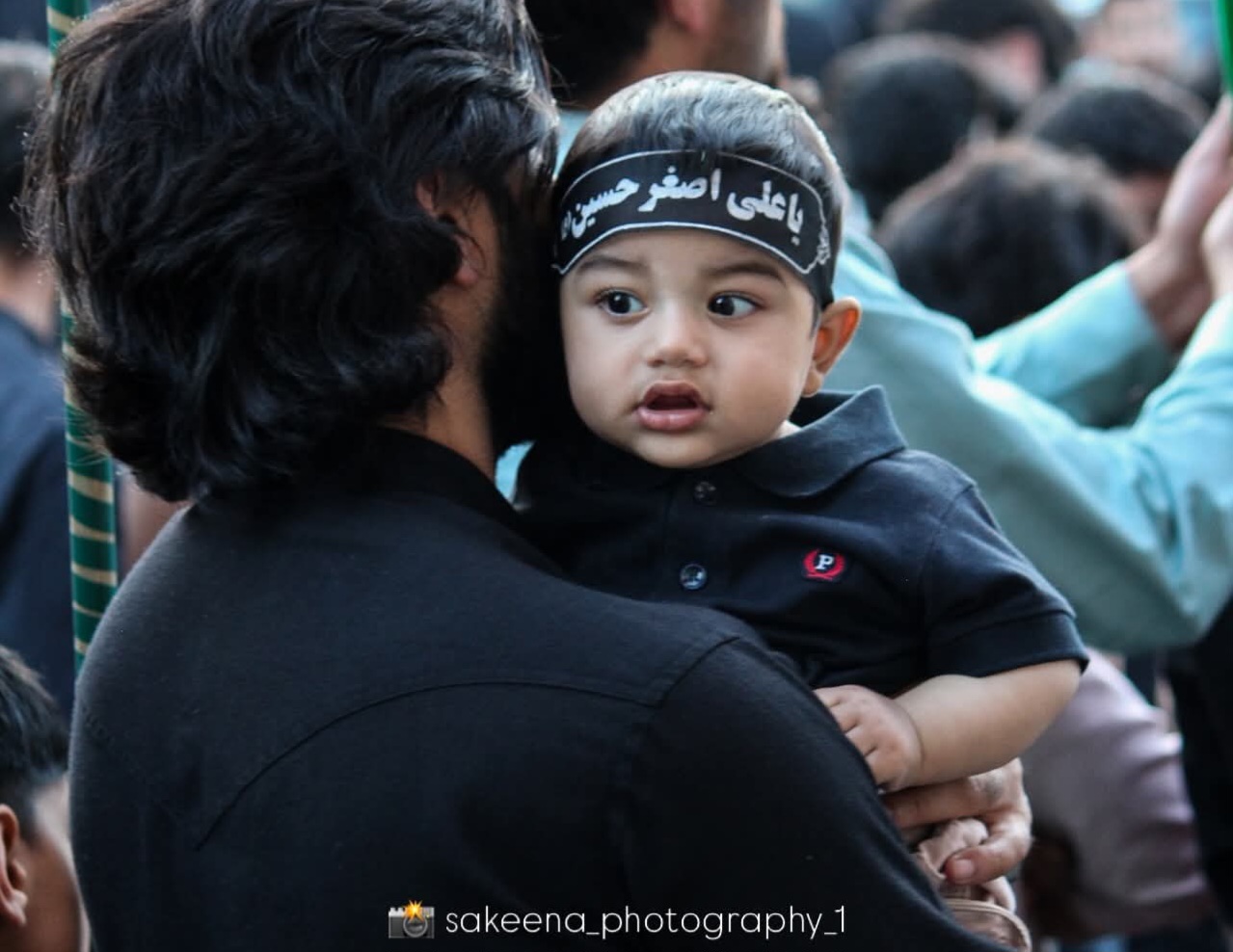
Among the mourners were children some carried in the arms of their fathers, some resting on the shoulders of relatives, and others walking quietly through the procession. Their presence formed a striking contrast to the solemn atmosphere of mourning that defines Muharram commemorations.
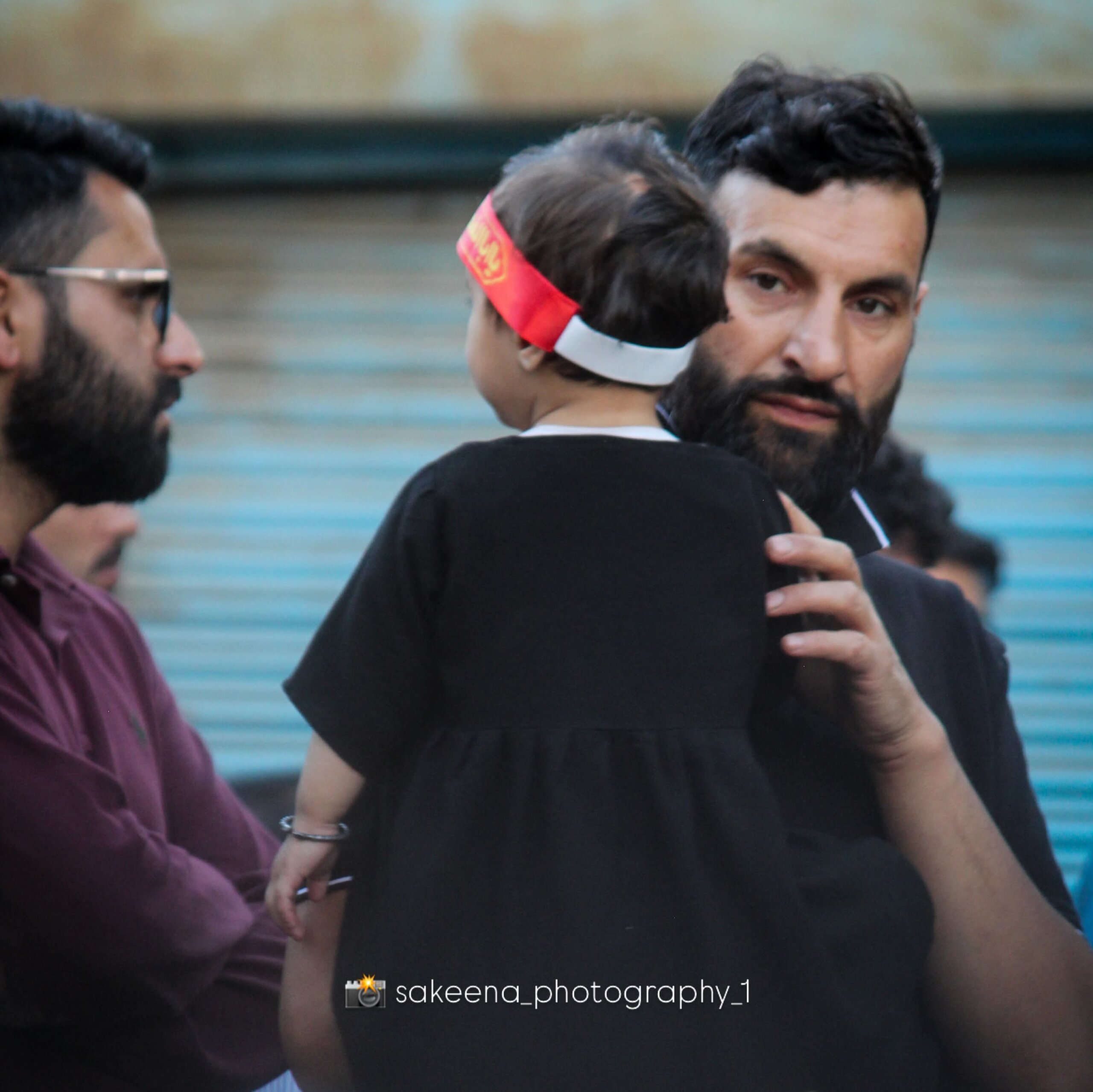
The photographs capture moments that are at once public and intimate. A father cradles his child amid the gathering. A young boy wearing a headband bearing a religious inscription looks on as mourners move towards the Imam Bargah. A girl dressed in black rests against a family member as the procession advances. Elsewhere, a teenager stands among older participants, mirroring the gestures of remembrance performed by those around him.
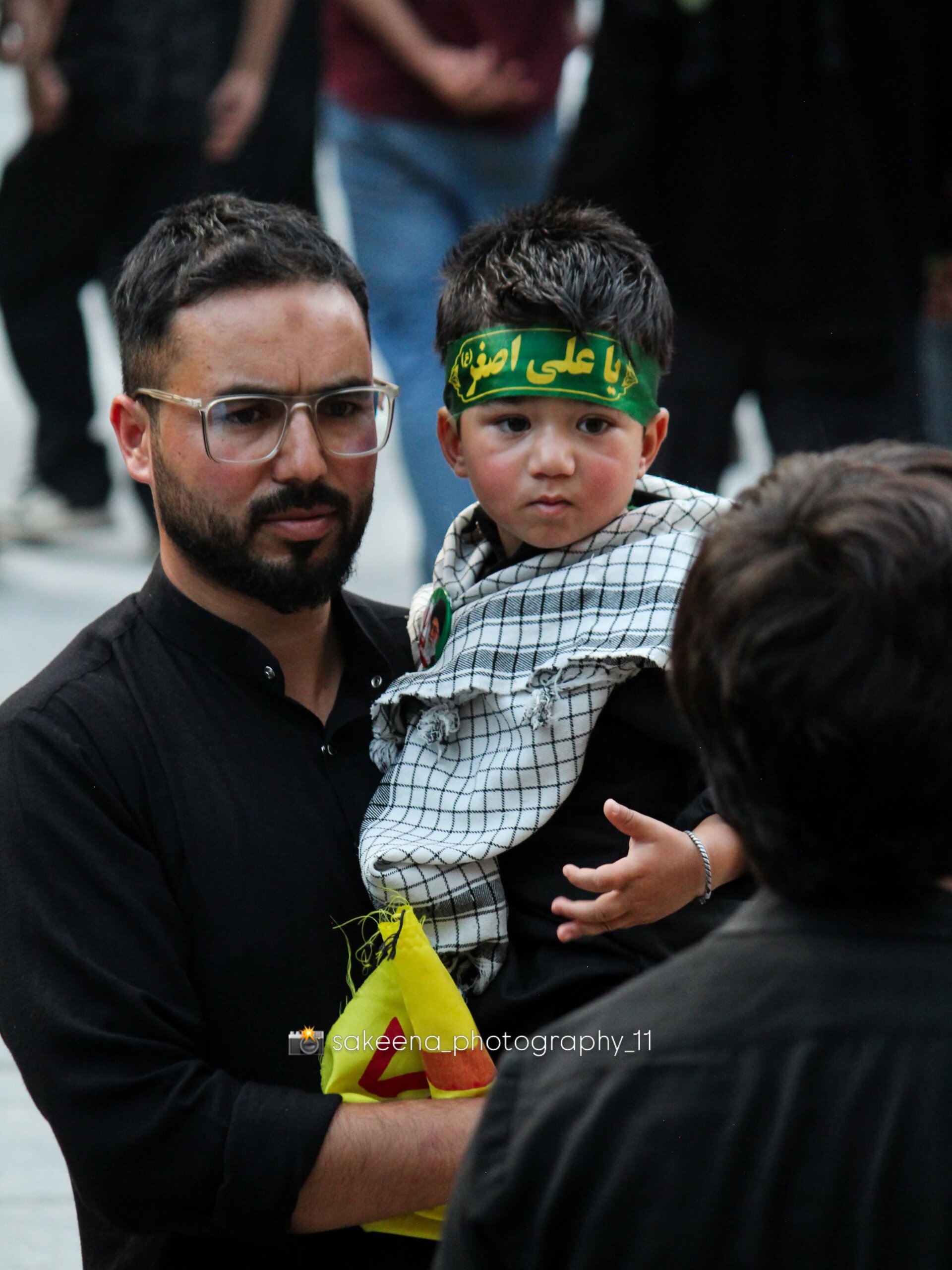
While Muharram commemorates a historical event, its observance is also shaped by the ways in which memory is transmitted within families and communities. Across generations, children accompany parents and elders to majalis and processions, gradually becoming familiar with the narratives, symbols and practices associated with Karbala.
The images from Budgam offer a glimpse into that process. The children pictured may not yet fully understand the historical significance of the events being remembered, yet they occupy a visible place within the commemorative rituals themselves. Their participation reflects how traditions endure not only through formal religious instruction but also through everyday acts of inclusion and collective observance.
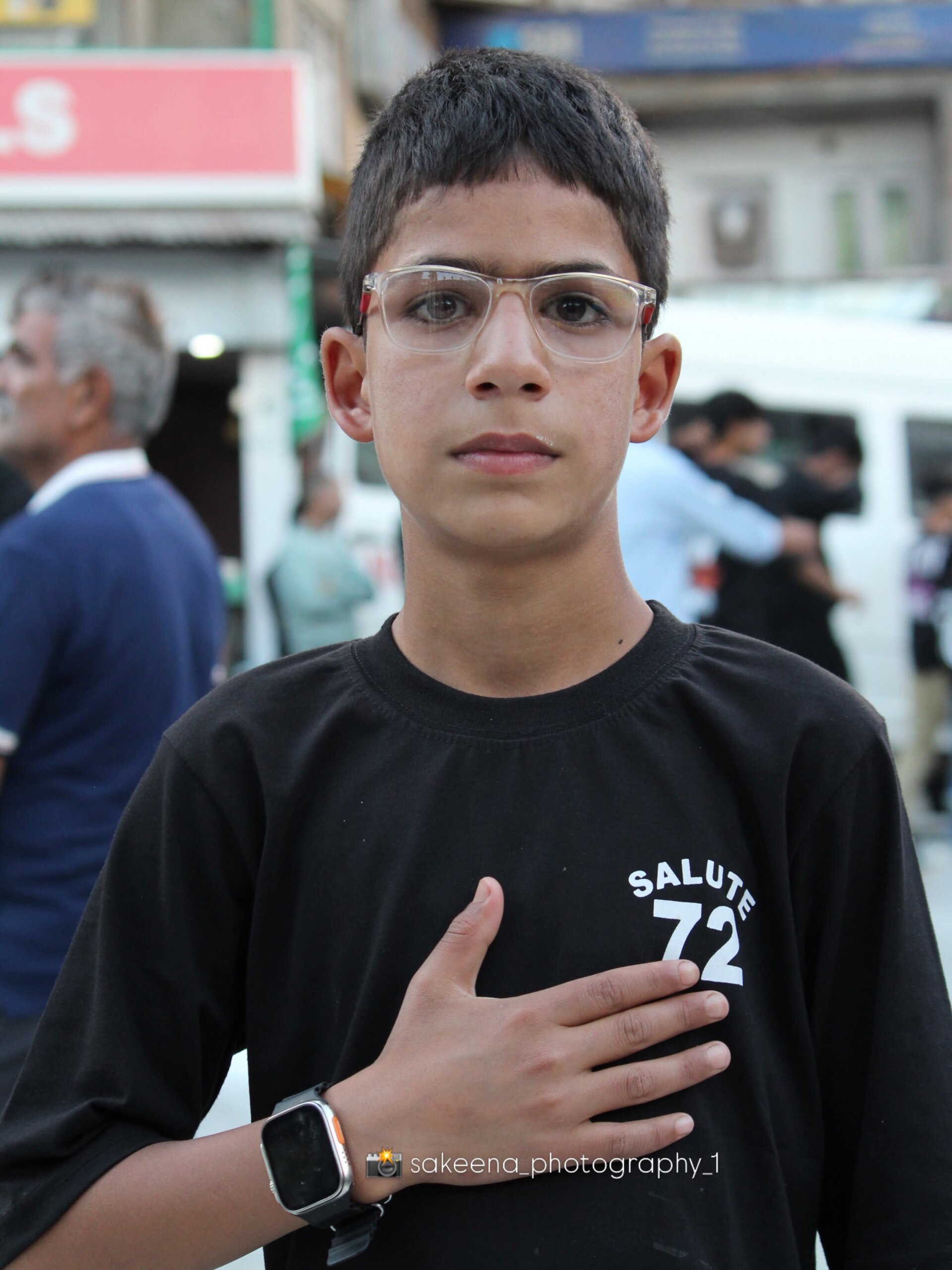
In Kashmir, Muharram processions have long served as spaces where religious memory is expressed publicly. They are also occasions where multiple generations gather within a shared framework of mourning and reflection. The photographs from the 7th Muharram procession highlight this intergenerational dimension, placing children at the centre of a ritual that connects the past with the present.
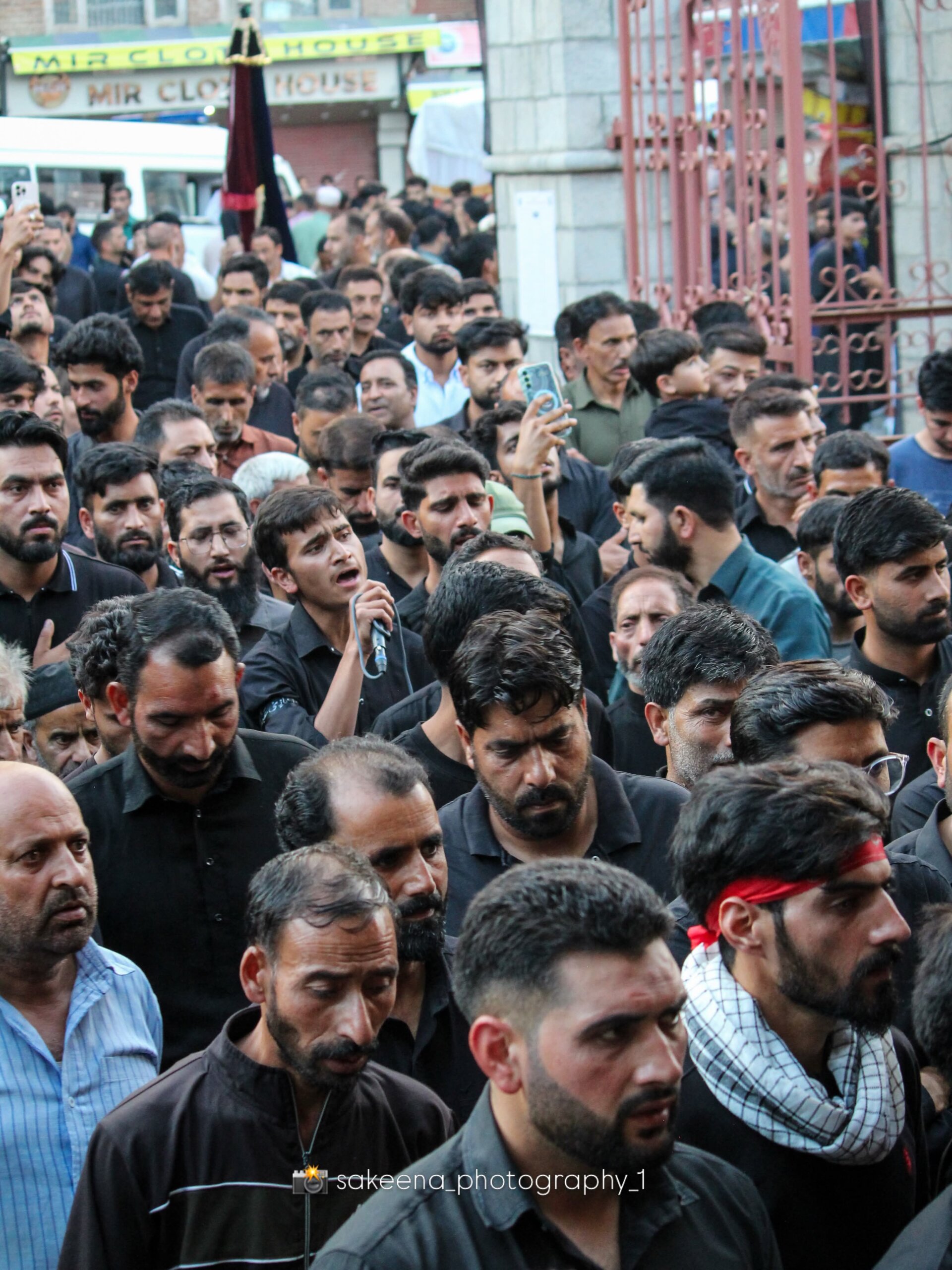
Viewed together, the images document more than a procession moving towards Imam Bargah Budgam. They record the presence of a younger generation within a centuries-old tradition of remembrance — one that continues to be renewed through participation, observation and family ties.
As mourners moved through Budgam on Tuesday, the children among them became a reminder that collective memory is not inherited automatically. It is learned, experienced and carried forward, one generation at a time.