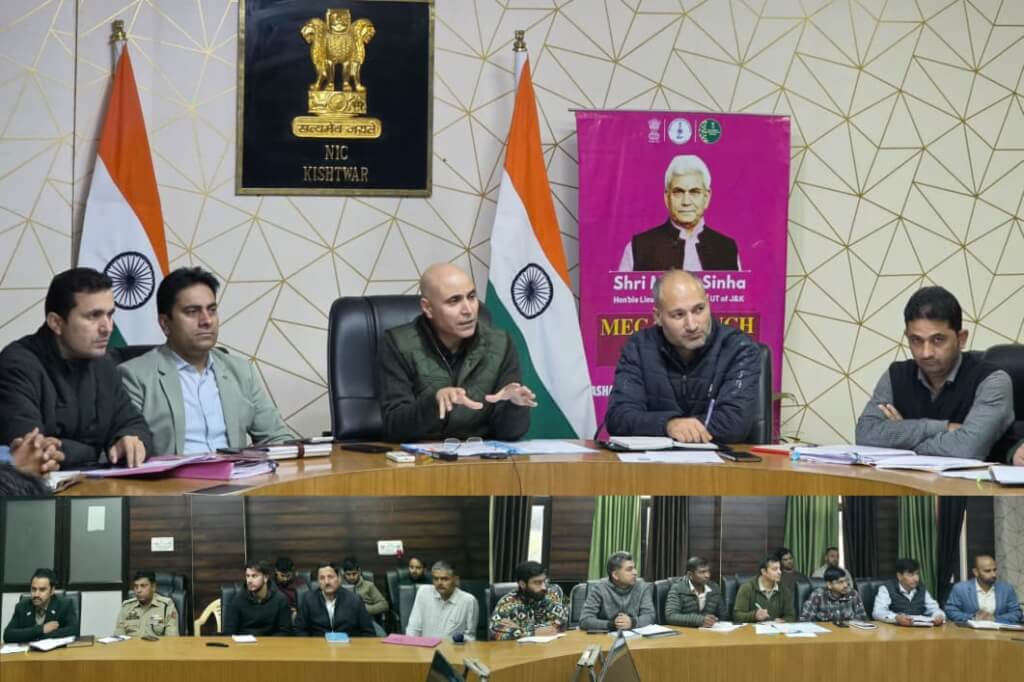
Srinagar, 10 August: At a meeting of its Core Committee, the National Child Development Council considered the importance of introducing children to financial literacy and money-management skills from an early age.
In the course of the discussion, the participants emphasized the need for children to be taught the fundamental distinction between needs and wants, as well as the importance of budgeting, saving and spending responsibly. They noted that financial awareness can enable children to realize that every demand cannot always be met right away and that some things can be planned and bought at a later date.
It was noted by the members that children usually learn by watching the adults around them at home and therefore it is important for parents to show responsible financial behaviour. They recommended that parents should involve their children, taking into account their age and level of understanding, in talks about household income, expenditure, budgeting and saving.
The committee also talked about the importance of including financial literacy in the school curriculum, especially at the upper-primary or high school level. It was suggested that there should be subjects or chapters on money management which would teach children how money is earned, spent and saved, as well as basic ideas such as income, expenditure, debit, credit, loans and financial planning.
Other members also proposed that children should have practical experience in managing money. The suggestions made were that pocket money should be linked to age-appropriate responsibilities, that children should be encouraged to save part of their money, and that there should be practical activities in school to help them understand how to earn, spend and save.
The committee also talked about the way financial literacy could assist children in developing patience and planning abilities, especially in cases where they want something that cannot be afforded right away. The members stated that children should be taught to consider whether something is really necessary, whether it can be put off, and how they can then plan their finances.
The discussion also emphasized the importance of financial awareness among adults and parents. The members noted that spending more than one earns and taking out loans without taking one’s ability to repay into account can lead to financial difficulties. They thus underlined the need for both parents and children to gain a better understanding of responsible financial management.
The committee members also stressed that financial education should not be limited to money and should instead involve age-appropriate teaching on parent-child understanding, decision-making, self-control and responsible behaviour. They proposed that children should become aware of their families’ financial situation, while at the same time parents should understand children’s psychology and communicate their financial limitations in an appropriate way.
The meeting ended with its members agreeing that financial literacy and education in money management should be included in the curriculum for children, and it was considered important to have cooperation between schools and parents if the children were to develop responsible financial habits from an early age.