New Delhi, May 26: The National Investigation Agency’s (NIA) probe has found that the key accused in the Delhi Red Fort car blast case used a fake identity to procure off-the-shelf chemicals for manufacturing explosives, official sources said on Tuesday.
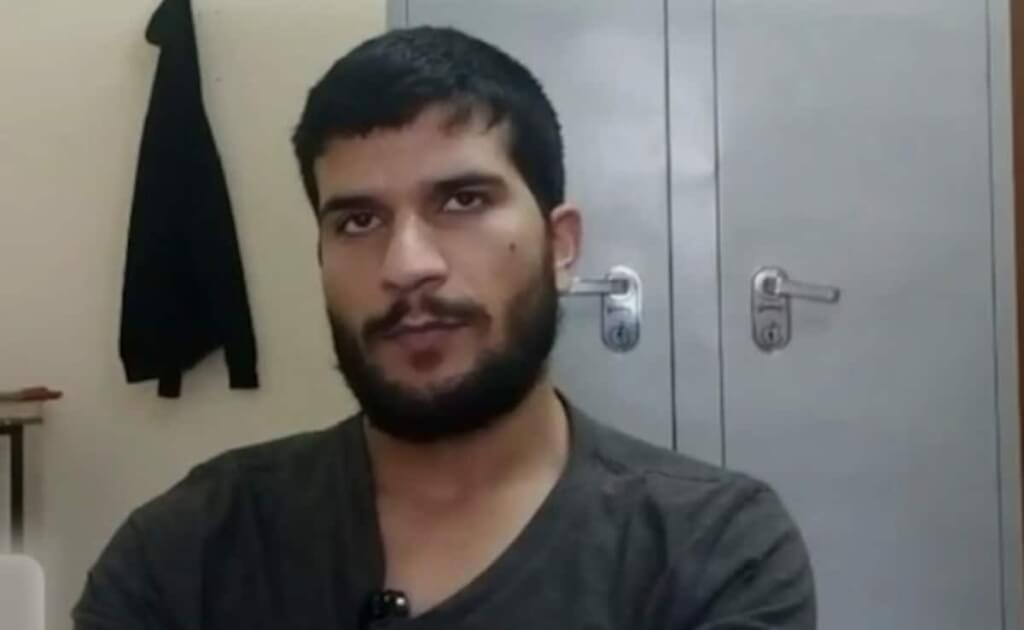
The prime accused, Dr Umer Un Nabi, who was driving the explosives-laden car and died in the blast, researched offline and online resources related to various chemicals and had set up a makeshift lab in his flat at Al Falah University in Faridabad for carrying out experiments with the objective of manufacturing a prototype explosive material, the sources said.
During the course of the investigation, the NIA sleuths got hold of a delivery challan dated September 25, 2024, from a small Mumbai trader that cracked open the supply chain for procuring materials needed for making explosives.
The challan was issued by the trader against a customised mixed metal oxide (MMO)-coated titanium anode, a specialised electrode used in an electrolysis process that the accused needed for their chemistry experiments, the sources said, quoting a chargesheet filed by the NIA recently.
According to the revelations made by the accused during their interrogation by the NIA, the electrolysis process was carried out at Umer’s flat for making chlorates and perchlorates from a common salt solution — a technique that he learnt in his research.
Chlorates and perchlorates are explosive substances which are normally used in fireworks.
Although it was Umer who purchased the anode, the buyer’s name and mobile number mentioned on the challan were those of someone else, the NIA probe has found.
Umer had created a fake identity using the mobile number in the name of “Mr Rahul Bhat” on the IndiaMART commercial platform, and posted his “product of interest as a fertiliser bag, acetone solvent, anode and chemicals, etc”.
He contacted the Mumbai shop owner in August 2024 and paid Rs 25,000 through digital payment platform PhonePe, the NIA chargesheet said.
The shopkeeper dispatched the anode through a courier company to a delivery address that was just outside Al Falah University, from where Umer collected the anode, it said.
Umer, using the same fake identity, subsequently negotiated for 10 more anodes, but the deal did not materialise due to the busting of the Ansar Ghazwat-ul-Hind (AGuH) interim terror module, linked to the terrorist organisation Al-Qaida in the Indian Subcontinent (AQIS), the NIA probe revealed.
The investigating officials found that Umer, along with other charge-sheeted co-accused Dr Muzammil Shakeel, also visited Ahmedabad in Gujarat on April 12 last year in a bid to procure chemicals for manufacturing of explosives.
They offered prayers at a nearby mosque and drove back to Al Falah, arriving the next day.
The NIA officials found that the accused, including Umer, followed radical jihadi literature to conduct these experiments, which were later extracted from their mobile devices as part of the investigation, the sources said.
The agency filed a voluminous 7,500-page chargesheet on May 14 against 10 accused in connection with the high-intensity vehicle-borne IED blast that rocked the national capital on November 10 last year, leaving 11 people dead and injuring several others.–(PTI)