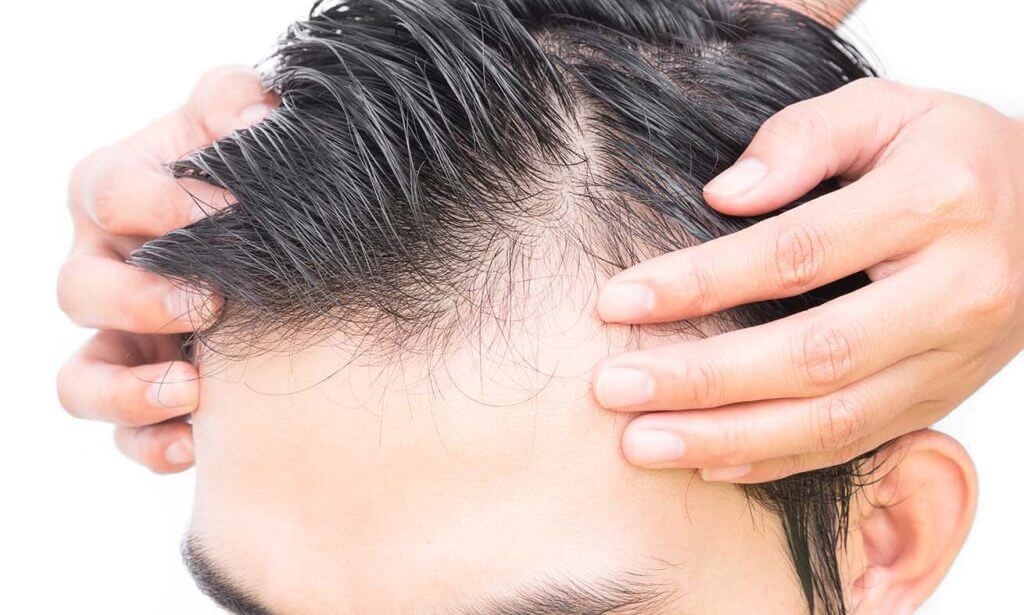
New Delhi, Sep 5: Social media-driven appearance consciousness and increasing cases of early-onset hair loss are prompting a growing number of young adults, including those in their early 20s, to seek consultations for receding hairlines and hair transplantation, according to dermatologists and hair-restoration experts.
Experts, however, cautioned that a desire for a sharper or “perfect” hairline does not necessarily make a young person a suitable candidate for transplantation, stressing the need to establish the cause and likely progression of hair loss before considering surgery.
Dr Neetu Bhari, Professor in the Dermatology department at AIIMS, Delhi, noted that younger people are increasingly becoming conscious of even minor changes in their hairline, partly due to the constant comparison fostered by social media.
“Hair loss at a young age needs to be approached as a medical concern first and a cosmetic concern later,” she said.
The priority should be to identify the cause, assess whether the condition is progressive and start appropriate treatment at the right time, Dr Bhari emphasised.
“A transplant is not always the first or best option for a young patient. In many cases, early diagnosis and medical management can help preserve existing hair and delay or avoid the need for surgery. Young people should therefore seek a proper dermatological assessment rather than making decisions based solely on how their hairline looks in photographs or on social media,” Dr Bhari said.
Dr Gaurav Garg, Senior Dermatologist, Hair Transplant Surgeon and Medical Director at Dermalife Skin and Hair Clinic, Delhi, said, “We are seeing a clear increase in enquiries from younger patients, including those in their early 20s, asking about hairline restoration and hair transplantation.”
Social media has changed how young people perceive their appearance –a slightly receding hairline that may previously have been accepted as a normal variation is now noticed and compared with celebrities and influencers, he said.
“At the same time, we are seeing genuine cases of early-onset hair loss. However, wanting a transplant does not automatically mean that a young patient is ready for one; the cause, pattern and likely progression of hair loss must first be assessed,” Dr Garg stated.
An Indian study published in 2025 involving 99 patients with early-onset androgenetic alopecia found that those aged 20-25 years constituted the largest proportion, with the mean age of participants around 24.8 years. More than half also reported a family history of the condition.
Dr Garg further explained, “As a general principle, we are very cautious about recommending a hair transplant before the age of 25 because the hair-loss pattern may still be evolving. Once the pattern has stabilised, the outcome becomes more predictable, and the hairline can be planned according to the patient’s long-term needs. In younger patients, diagnosis, monitoring and appropriate non-surgical treatment should therefore come before considering surgery.”
Dr Ramanjit Singh, Director, Department of Dermatology, Medanta Hospital, underlined that hair loss in young adults deserves proper dermatological evaluation rather than an immediate cosmetic solution.
“Social media can amplify concerns about appearance, but not every receding hairline requires transplantation and not every episode of hair fall represents permanent baldness. The underlying diagnosis, rate of progression, family history, scalp health and availability of stable donor hair should all be assessed before surgery. The goal should be long-term, natural-looking hair restoration rather than simply reproducing a hairline seen in a photograph.”–(PTI)