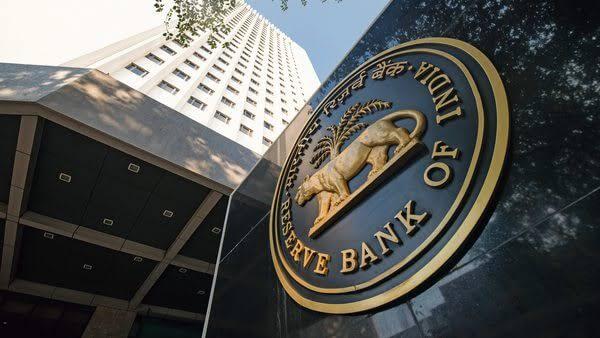
New Delhi, May 31: The Reserve Bank of India (RBI) has revived talks of introducing polymer banknotes in India, as currency demand keeps increasing significantly, as per media reports that cited people privy to the matter.
People stated that during the RBI’s most recent two board meetings in Patna and Mumbai, the idea of introducing polymer or plastic currency notes was discussed. The decision is being contemplated because polymer notes have a longer shelf life and are less expensive to produce than traditional paper money.
The idea is being reexamined because polymer notes are more durable and less expensive than traditional cotton-based paper money.
The cost of producing these notes appears to be lower than that of the paper notes that are already in use. Additionally, polymer-based notes would be able to be dispensed via automated teller machines (ATMs).
The central bank is also preparing a polymer currency pilot project that may be revealed soon, highlighted the media report. According to the RBI’s annual report for FY25, the amount spent on printing paper money increased from Rs 5,101.4 crore to Rs 6,372.8 crore. The rise was mostly due to an increase in the demand for banknote printing.
Moreover, the rising complexity of getting rid of soiled cash notes was also highlighted in the media report. During FY25, almost 23.8 billion pieces of soiled banknotes were taken out, which is a 12.3 per cent increase from 21.24 billion pieces the year before. The majority of the disposed notes were in the Rs 500 denomination, with Rs 100 notes coming next.
Polymer banknotes
Bi-axially oriented polypropylene (BOPP) films, which enable sophisticated security measures including metameric inks and improved anti-counterfeiting elements, are used to make polymer banknotes. Additionally, they are more resilient to microbial degradation, folding, and dampness.
Australia was the first country in the world to roll out polymer currency in 1988. By 1996, the country had entirely switched to polymer notes.
In 2011, Canada started switching to polymer currency after environmental evaluations found that polymer outperformed paper in a number of lifecycle stages.—(The Tribune)